← All articles
Guide
15 July 2024
The playbook for expanding American consumable brands overseas
A smarter way to expand internationally with a hub-and-spoke model.
A smarter way to expand internationally with a hub-and-spoke model.
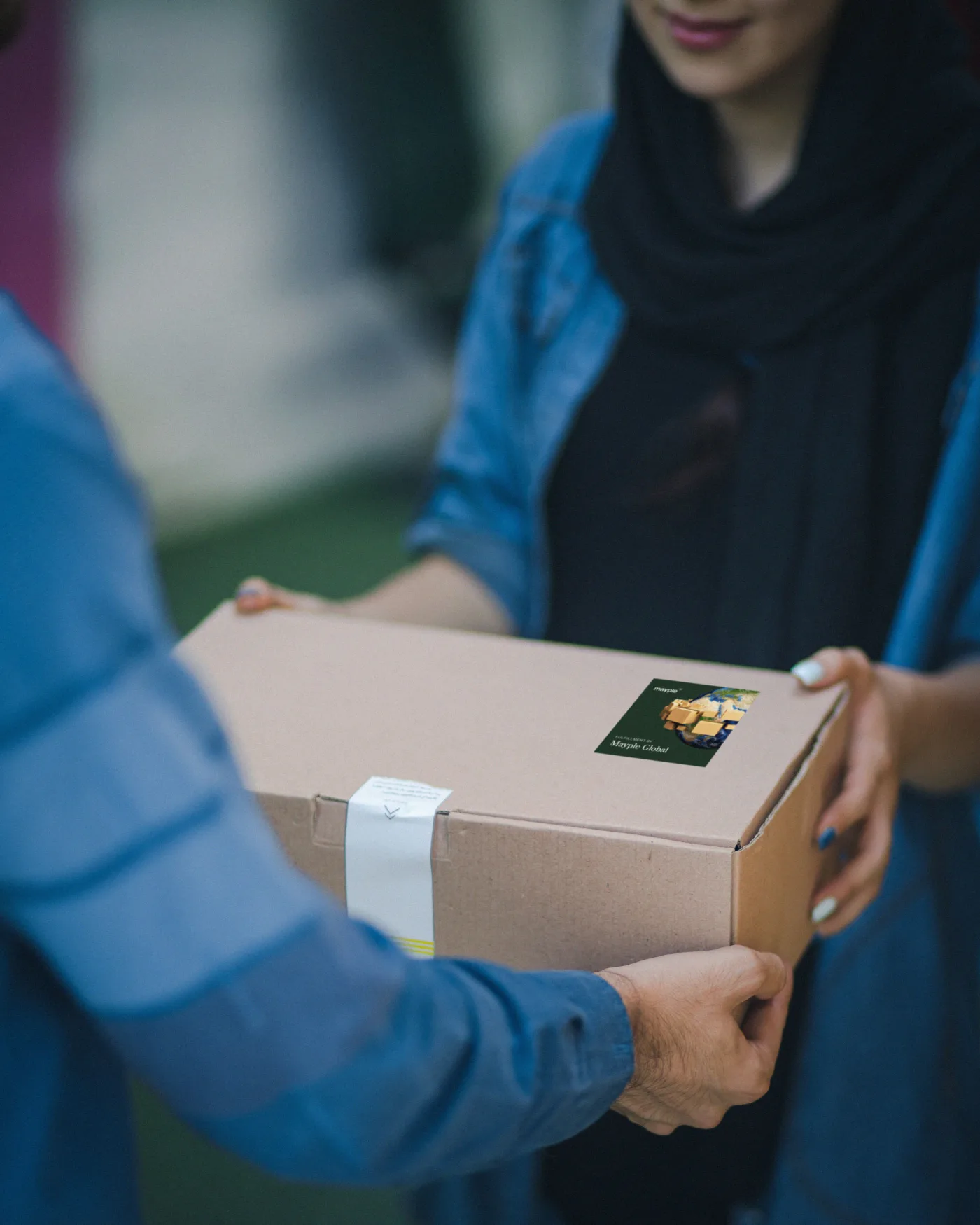
American consumable brands — from beauty and wellness products to packaged foods — carry a premium reputation overseas. Consumers worldwide associate them with high safety standards, quality ingredients and regulatory rigour, which makes them attractive in international markets.
Yet for many brands, expanding beyond US borders is an uphill battle. Strict labelling laws, compliance hurdles, fragmented supply chains and high fulfillment costs make international growth prohibitively complex. Recent shifts in tariffs and trade policy have only added to the difficulty.
Countries impose their own rules on ingredient approvals, packaging and customs clearance, forcing brands to create market-specific SKUs. Complexity drives up cost and slows expansion.
Many companies rely on local distributors to navigate it — at the price of reduced control over pricing, branding and inventory. Managing multiple warehouses compounds the problem, eroding margin.
Instead of regional warehouses and layers of distribution, inventory is centralised in a single global hub. Orders are fulfilled directly to international consumers via optimised last-mile networks.
Brands expand globally while maintaining a single SKU — no region-specific packaging or labelling. Overhead drops and market entry accelerates.
One of the most significant advantages of this approach lies in the direct-to-consumer fulfillment model, which takes advantage of regulatory nuance. When consumers purchase products for personal use, they often bypass the stricter compliance rules that apply to bulk imports and retail distribution. Mayple's system leverages that principle, allowing brands to ship internationally without carrying retail-level regulatory requirements — eliminating costly delays and compliance roadblocks.
International demand for American-made consumables is rising, and shifting trade policy is reshaping the global commerce landscape. E-commerce has made cross-border shopping more accessible than ever, but traditional supply-chain models still leave many brands struggling to scale profitably.
By adopting a centralised, fulfillment-first strategy, brands can sidestep outdated distributor models, reduce costs, and unlock new revenue with minimal risk. Talk to us about the path for your brand.