← All articles
Guide 18 January 2023

What is cross-border e-commerce?

You may have heard the term and wondered what it meant, or whether it was a good fit for your business. Perhaps you've looked into a few third-party logistics partners and were left scratching your head. Let's simplify the conversation.

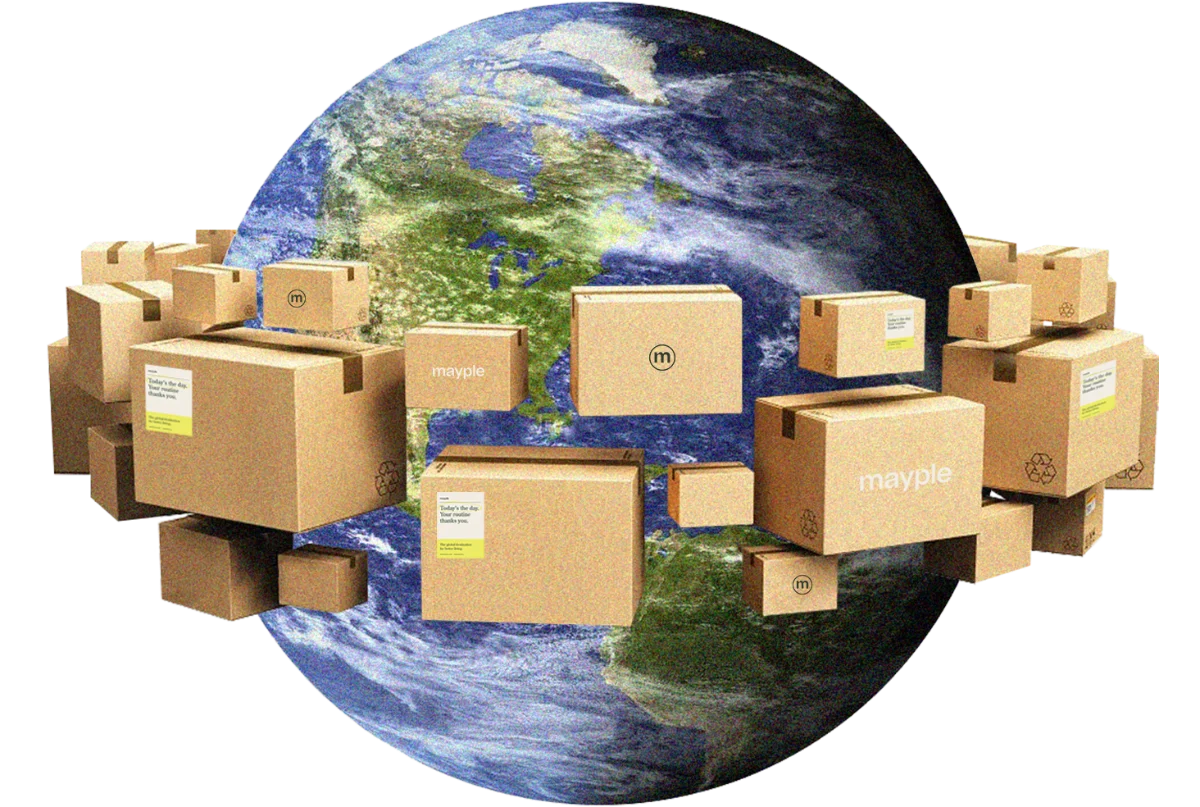
Packages orbiting the earth

A definition

At its simplest, cross-border e-commerce is selling products or services through an e-commerce website to buyers overseas. You can be a traditional brick-and-mortar store or a purely online business — what matters is that you're reaching international customers in international markets.

The concept is straightforward. Tapping into new mindsets abroad is not. Tastes, cultures, competition and even attitudes to buying from foreigners vary by country, so plan carefully before diving in. That's the mistake some companies make — growing excited about the revenue potential of selling globally, then jumping in without a plan. It leads to expensive results, cumbersome processes and a lot of regrets. Google's Market Finder guide makes the same point.

What you'll need

A place to sell. Your own website, or a partnership with an online marketplace.
A way to get paid. Specifically, the ability to accept payments in foreign currency.
A way to get the order there. Once the order is placed you need to pick, pack and ship internationally.
The ability to accept international returns. Customers expect this to be as easy as domestic.
Compliance. Staying accurate on import and export fees, local regulations, and customs.

Before you start checking off that list, make sure you have potential international customers to sell to. Marketing plays a role, but so does meeting customer expectations: 91% of shoppers will abandon retail sites that don't offer fast or free shipping.

What global customers care about

Fast shipping time Reasonable shipping rates Accuracy of the order Ease of returns

Why invest in cross-border commerce

Expand reach and revenue.
Capitalize on existing site traffic. They're already visiting your site and engaging with your marketing — why not sell to them?
Increase brand awareness. Domestic markets get saturated, with greater expense for attention. International markets can offer awareness at a more efficient cost.
Protect against competition. Build a wall around your market share by gaining a global foothold.
Three routes to implementation

How will you put the plan into action?

01

Do it yourself

Using tools like Shopify and a payment provider, you can accept international orders in foreign currency through your existing site. Legally you'll need to understand the requirements of every country you sell into — customs, import and export fees, duties, sometimes a local legal entity. Logistically you'll need packaging, storage, transport partners and a grasp of cost across the whole journey.

You may save money, but be prepared for complexity and the ongoing management of a piecemeal supply chain. Customer experience often suffers.

02

Sell through a marketplace

Platforms like Amazon attract an audience on your behalf and can help fulfill orders and manage returns, reducing legal, customs and supply-chain complexity.

Depending on the platform, fees and revenue sharing can be prohibitive to profitability — do your research. This tends to be a good short-term solution rather than a foundation for brand building.

03

Partner with a global logistics platform

You keep selling through your own site — some partners make it a single Shopify integration. There are two kinds: those that take over only shipping, and those that store your inventory in strategically located warehouses and take over the whole chain, from fulfillment to returns.

The first lifts the burden but at a steep cost — slow shipping at high expense. The second is newer, and it is where the innovation is.

Brands who partner with Mayple Global as their global logistics platform can reasonably expect 2–5 day shipping, 99% same-day order fulfillment, and express shipping starting at $7. These platforms also handle the legal requirements — customs, duties, taxes and fees.

For simplicity and customer experience, partnering with a third-party global logistics platform can be a strong option, especially for brands with larger ambitions who want to invest in their own digital properties rather than lean on marketplaces. Wondering what full-service global fulfillment would cost your brand? Reach out and we'll put together a quote.

Related articles
Research

8 cross-border e-commerce statistics you need to know

Read more →
Product

Mayple Global for Shopify customers

Read more →
Guide

Scaling DTC with efficient cross-border shipping

Read more →

Global e-commerce, finally fixed.

Request a demo